

Amos 5:24 But let justice roll on like a river, righteousness like a never-failing stream!
Today’s Scripture reading includes strong language from God. God “hates” the Israelite’s religious festivals. Their assemblies are a “stench.” God calls their songs “noise” and says he “will not accept” their offerings. What gives? The Israelites weren’t perfect, but wasn’t there at least a little bit of good in their worship? They may have had societal problems, but surely God could’ve acknowledged the few things they were doing right—right?
In Amos’s day, Israel was marked by religiosity, systematized injustice, exploitation, and idolatry. It’s easy to see parallels between this ancient society and our own. Modern society is struggling with many of the same problems and a host of others. So, how does God see our worship today? Is it possible that God sees our religious practices as a “stench” too?
Unfortunately, the answer might be yes. These verses reveal how upset God becomes when injustice is unchallenged by his people. We may practice our religion with daily quiet times and Sunday morning services, but if we allow injustice to flourish in our society, or if we participate in systemic oppression, then even our best tries at religion may not be accepted by God.
In Scripture, God consistently longs for social action to flow from changed hearts. Jesus taught that all the law and the prophets “hang on” two great commandments: “Love the Lord your God” and “Love your neighbor as yourself” (Matthew 22:36-40). He also condemned religiosity (Luke 11:37-52). And in numerous parables—like the good Samaritan—he helps us imagine the Kingdom of God, where what is wrong is made right. God cares deeply about changed hearts fighting for justice.
Do you have a heart changed by the love of God? If so, that’s wonderful! The question is, how will you challenge injustice in your community as a result of God’s love for you? Draw on his justification of you and seek justice for those around you.
Some Jews mistakenly believed performing ritual sacrifices would keep God from punishing them, even though they consistently did things He called evil. They said God was among them, yet their treatment of His Law and one another did not reflect His presence. The nation would be punished and sent into exile. Despite the coming judgment, there was hope for anyone who turned from evil and chose to do good. Amos made the choice clear: individuals could continue to seek evil and be destroyed or seek the Lord and live.
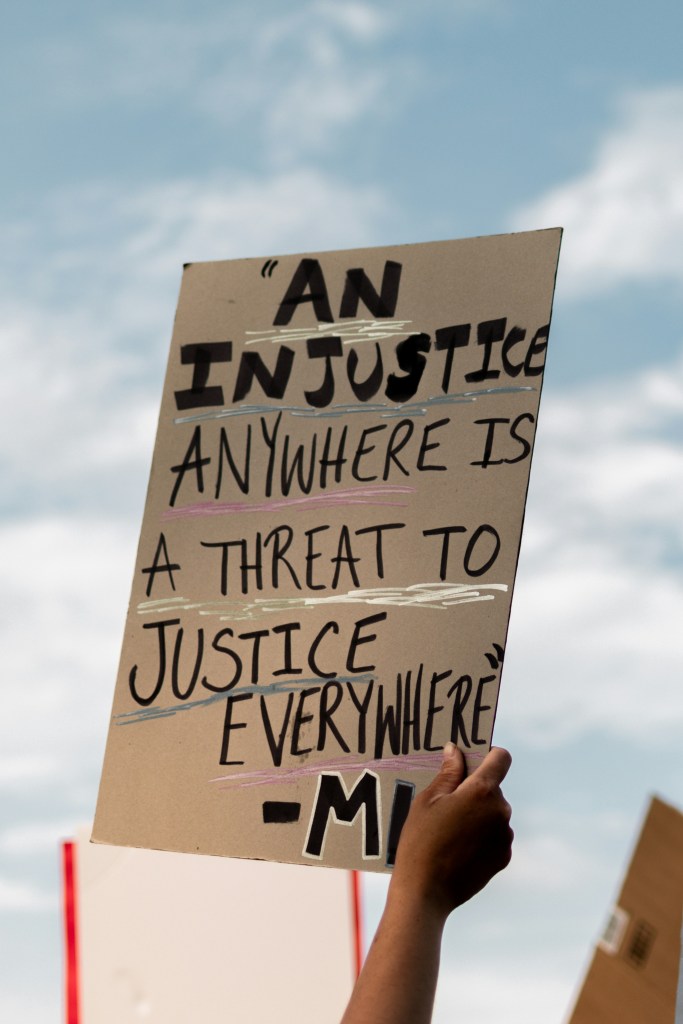
REFLECTION: During Amos’s day, Israel was guilty of exploiting the poor (Amos 2:6-7) and building opulent homes with the wealth they gained (Amos 3:14-15). What are similar systems in society today?
- James described religion God accepts as one that looks after the marginalized and keeps oneself from becoming “polluted by the world.” Read James 1:22-27 this week and prayerfully consider your religious practices.
- Israel’s misguided beliefs are similar to some beliefs today. Our nation supports many practices which go directly against God’s commands and scriptural principles, yet we want to claim His presence and blessing. God still holds nations accountable for their actions – a sobering thought when we see the sin around us. However, God also still honors individuals who willingly turn to Him. In what area of your life are you seeking something other than God? Do you pursue godly things regularly or only when it’s convenient? Abundant life is found in obediently seeking the Lord daily.
PRAYER: Dear God, please forgive me for the times I have not sought justice for others when I could have. Help me to act on your love for me by challenging injustice. Thank you for caring so much about the oppressed. I love you, and I will strive to love my neighbor. Amen. Amos lamented the fall and exile of Israel. Perhaps the Lord God Almighty would show mercy to the remnant of Joseph who sought Him, loved what was good, and hated evil.
 hope14me.org